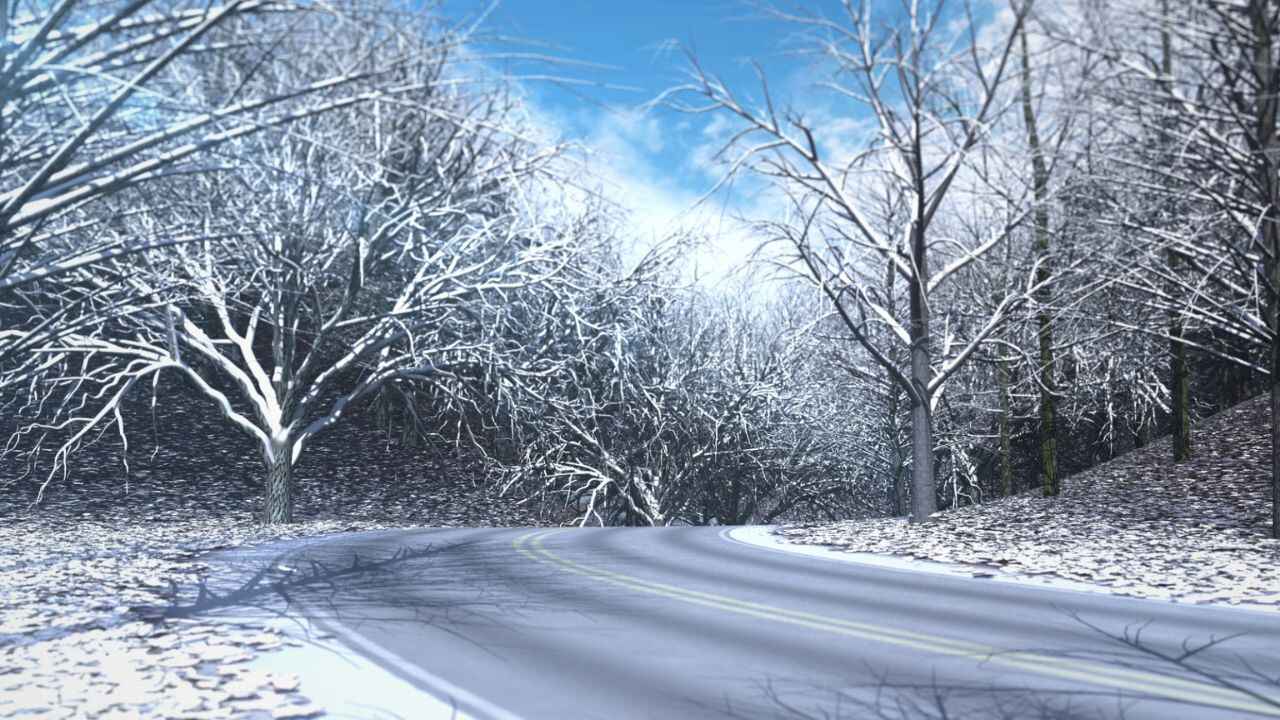
Winter 2026 Warning: Meteorologists are cautioning that winter 2026 may unfold with unusually intense and unpredictable weather across the United States. Experts say a possible sudden stratospheric warming (SSW) event, paired with an ongoing La Niña pattern, could significantly reshape the season—potentially sending frigid air and snowfall into regions that rarely experience them. According to researchers, November will play a critical role in determining how the winter ultimately develops.
Judah Cohen, a climatologist at MIT, notes that a rapid warming of the stratosphere above the North Pole can destabilize the polar vortex, forcing bitter cold to plunge southward. While SSW events aren’t unheard of, seeing one occur in November would be extremely rare and something not yet observed in modern satellite records. This atmospheric disruption, combined with La Niña’s tendency to steer jet stream patterns, could set the stage for dramatic shifts in U.S. winter weather.
Highlights of the Winter 2026 Outlook
The Farmers’ Almanac suggests that winter 2025–2026 will be anything but ordinary.
Here’s what different regions may face:
-
Midwest (Ohio, Wisconsin): Expect colder-than-normal temperatures and multiple snowstorms. Ohio could encounter its heaviest snow in mid-December and early February, increasing travel dangers and heating needs. Wisconsin may see traditional “deep winter” conditions with regular snow and sharp cold waves.
-
Nebraska: Forecasts call for a mix of above-average precipitation and periodic cold spells, making for an uneven winter.
-
Oregon: Wetter-than-normal conditions are likely, with significant mountain snowfall and frequent storm systems pushing through the Pacific Northwest.
-
Pennsylvania: Snowfall may be higher than usual in mountainous zones, paired with widespread cold periods throughout the state.
-
Southern States (Texas, Alabama): Despite projections for an overall warmer winter, isolated freezing temperatures or brief snow episodes remain possible—events that are uncommon but not out of the question given this year’s setup.
Cohen adds that the depth of cold this winter will depend heavily on how strongly the polar vortex responds to any stratospheric warming. A strong coupling could usher in prolonged cold and snowy conditions beginning as early as December, while a weaker interaction may lead to a generally mild season.
What This Means for Residents
People living in states flagged for volatile weather are encouraged to prepare early:
-
Ensure heating systems are serviced, especially in regions like Wisconsin, Ohio, and Pennsylvania.
-
Stock up on snow-removal tools if you live in a high-snowfall area.
-
Travelers should stay alert—weather could shift quickly, especially between warmer southern states and colder Midwestern zones.
Meteorologists stress that the mix of La Niña influences and potential polar vortex disturbances introduces a high degree of uncertainty. Sudden storms, surprise cold snaps, and rapid temperature swings may occur with minimal warning, making it essential to follow updated forecasts closely.
In summary, the winter of 2025–2026 appears to be shaping up as one of extremes, with everything from heavy Midwest snow to unusual southern chill on the table. Staying informed—and prepared—will be key as the season unfolds.
FAQs (For Awareness)
Q1: How does La Niña influence winter weather?
La Niña alters global jet stream patterns, often bringing colder and stormier winter conditions to the northern U.S. while keeping southern regions relatively warmer.
Q2: What is a sudden stratospheric warming event?
It’s a rapid temperature spike in the stratosphere near the North Pole that can weaken the polar vortex and send frigid Arctic air southward.
Q3: Which states may experience the most cold this winter?
Midwestern states like Ohio, Wisconsin, and parts of Pennsylvania are among the areas expected to face significant cold and snow.
Q4: Could southern states get snow?
Yes—states such as Texas and Alabama might see brief snow or freezing conditions, even though the overall pattern leans warmer.
Q5: When might the winter cold begin?
If stratospheric warming strongly influences the polar vortex, cold air could spill into the U.S. starting in December 2025.
Also Read: DWTS 2025 Week 9: Perfect Scores, Tom Bergeron’s Return & a Shocking Elimination
Also Read: North Texans Enjoy Summer-Like Warmth and a Rare Aurora Borealis Display